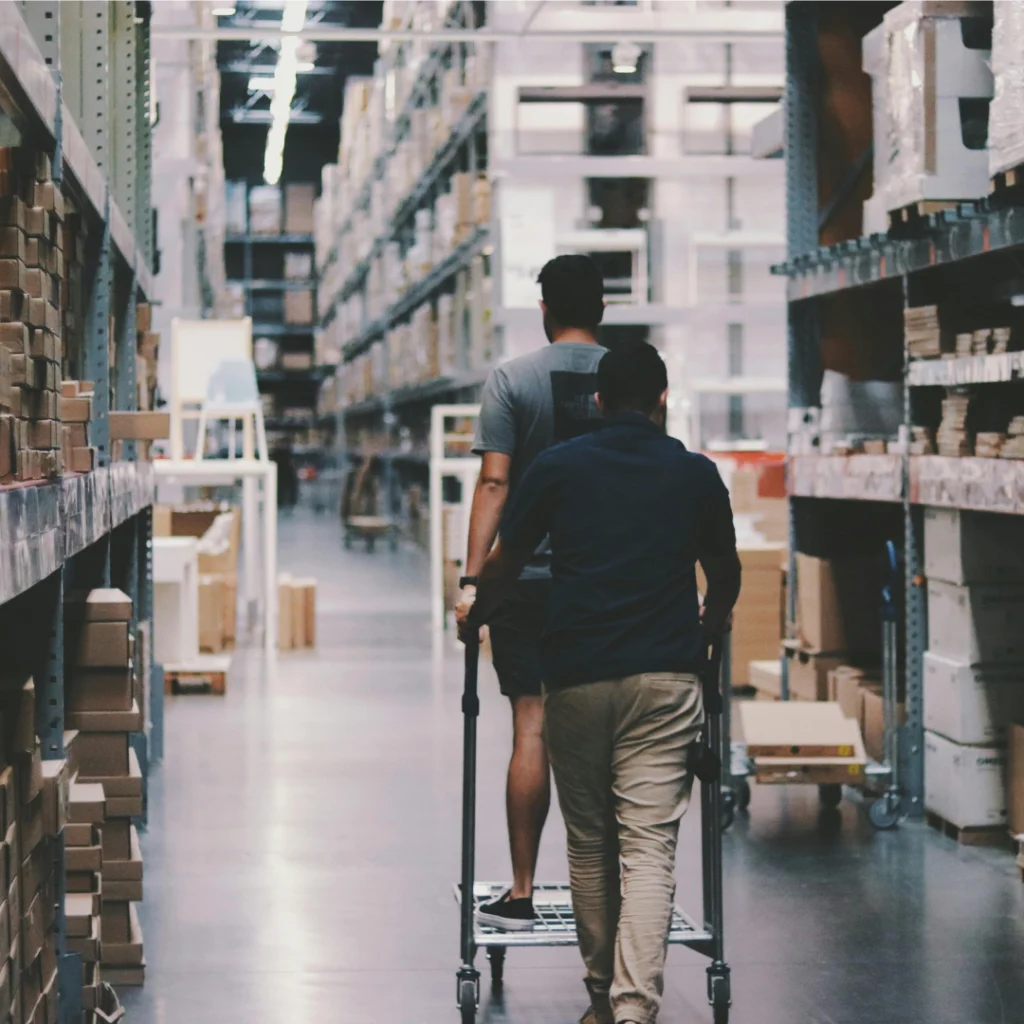

In high-paced logistics and warehousing environments, every second counts. Whether it's a 24/7 distribution centre or a regional warehouse dealing with high-volume operations, ensuring seamless shift transitions is vital to maintaining productivity. Delays in accessing essential tools, handheld devices, or PPE can slow down operations and cause unnecessary congestion at handover points. That’s where Smart Lockers in warehouses are starting to prove invaluable.
These intelligent storage systems are helping logistics and warehouse teams shift away from manual processes towards smarter, contactless alternatives. In doing so, they’re streamlining shift management, enhancing security, and ultimately driving operational efficiency.
Why Traditional Shift Handovers Are No Longer Viable
In many warehouses, the beginning and end of a shift are often marked by queues at tool rooms, delays in locating equipment, or manual logging of asset use. This not only leads to a loss in productivity but can also cause friction between outgoing and incoming staff.
With rising demands on logistics operations, especially since the acceleration of e-commerce and 24/7 consumer expectations, these inefficiencies are no longer sustainable. Manual processes also present hygiene concerns, particularly when equipment changes hands between multiple users during the day.
Smart Lockers offer a solution to these challenges by automating the issue and return of essential items, creating a contactless, secure, and fully traceable process. They also support operational efficiency by ensuring tools, scanners, and other devices are returned and charged between uses, reducing downtime caused by flat batteries. Additionally, Smart Lockers improve accountability by tracking who last accessed an item, making it easier to identify damage, report faults, and prevent faulty equipment from being re-distributed.
What Are Smart Lockers?
Smart Lockers are digitally controlled storage units that use integrated software and access systems (such as RFID cards, PIN codes, or smartphone apps) to manage and track the usage of assets. These lockers are connected to a central management system that logs each transaction and monitors locker usage in real time.
They can be customised to suit the specific needs of a warehouse environment, whether it’s storing items including handheld scanners, power tools, or even personal protective equipment.
Key Technologies Behind Smart Lockers
RFID Integration: RFID (Radio Frequency Identification) allows employees to simply tap their staff badge or RFID card to access a designated locker. This enables instant access without manual sign-outs, while the system logs the transaction for accountability.
PIN Code Access: Employees are assigned a unique PIN to access their allocated locker(s), removing the need for shared keys or manual handovers. Lockers can be tailored to the job role - for example, managers may have access to more equipment than junior staff, or specific tools can be restricted to those trained or authorised to use them. The system also supports the distribution of consumables like drill batteries, with charging lockers ensuring fully powered equipment is always available. Access can be automatically assigned or scheduled based on shift times, streamlining operations even further.
App-Based Control: Many smart lockers in logistics now integrate with mobile apps or internal warehouse software. Employees can be notified when a locker has been assigned or when items are ready for pick-up. Supervisors can also control permissions remotely and track usage trends via dashboards.
Audit Trails and Reporting: Each interaction with the locker is logged, creating a complete digital trail. This not only helps with asset tracking but also with monitoring compliance and understanding how resources are being used.
Insight Systems offers adaptable and efficient smart lockers for various industries, meeting diverse requirements. For a deeper understanding of their capabilities, explore our guide, 'Understanding The Features of Smart Lockers'.
Alternatively, request a Smart Lockers brochure or learn more from our expert team.
How Smart Lockers Improve Shift Management
1. Minimised Downtime During Shift Changes
Smart lockers eliminate bottlenecks at tool rooms or collection points by allowing employees to access essential items directly at the start of their shift. Items can be returned at any time, without requiring supervision or administrative support, ensuring a smooth flow between shifts.
2. Improved Accountability and Loss Prevention
By assigning tools or equipment to individual staff members, warehouses can better track usage and reduce the risk of lost or damaged assets. The digital trail created by smart locker systems improves accountability and reduces disputes over missing or broken items.
3. Contactless and Hygienic Operation
In environments where hygiene is a priority, particularly following COVID-19 protocols, contactless solutions are a welcome addition. There’s no need to queue at a counter or sign paperwork – everything is handled digitally, with minimal physical interaction.
4. Flexible Access for Round-the-Clock Operations
For warehouses operating 24/7, Smart Lockers ensure that resources are available regardless of the hour. Whether it's 3 am or 3 pm, employees can retrieve what they need without waiting for managerial oversight.
5. Centralised Management for Multi-Site Warehouses
In larger logistics networks, smart locker systems can be managed centrally, allowing supervisors to monitor multiple locker installations across different sites. Insights gained from reporting tools can guide procurement, maintenance schedules, and workforce planning.

Applications of Smart Lockers in Warehouses
- Tool Distribution: Allocate and track the use of power tools or scanning devices without manual logging.
- PPE Management: Ensure that personal protective equipment is securely stored and only accessible to authorised personnel.
- Device Charging & Storage: Secure, charge, and manage electronic devices like barcode scanners or tablets between shifts.
Supporting Safer, Smarter Warehousing
As warehouses grow increasingly reliant on automation, smart locker technology becomes a natural extension of this trend. It supports broader digital transformation goals by simplifying operations, enhancing traceability, and reducing manual admin.
But more than that, smart lockers in warehouses contribute to safer and more productive work environments. By making shift management seamless and contactless, they empower employees to focus on the job at hand, not on waiting in line for the right tool.
Time to Rethink the Shift Handover
In today’s logistics landscape, where speed and precision are critical, the old ways of managing shift transitions just don’t cut it. Smart lockers offer a reliable, scalable, and contactless solution for managing equipment and resource access, helping warehouses keep pace with modern demands.
Whether your warehouse is looking to reduce shift downtime, increase asset accountability, or simply improve employee experience, smart lockers provide a future-proof investment that delivers on all fronts.
To learn more about our range of smart locker solutions and how they can support your shift management strategy, visit our smart lockers page or get in touch with the Insight Systems team today.